
Spring Hedging Services
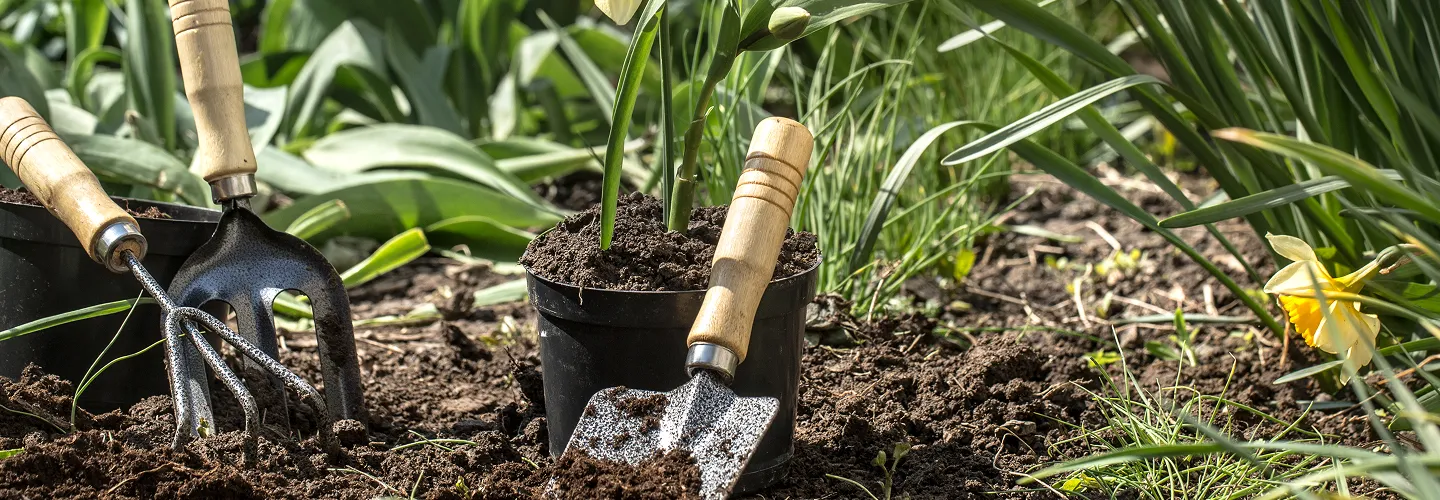
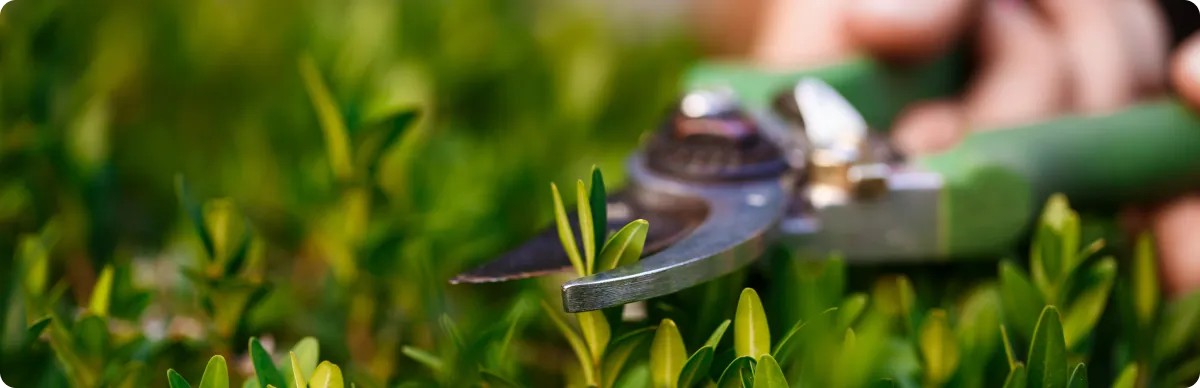
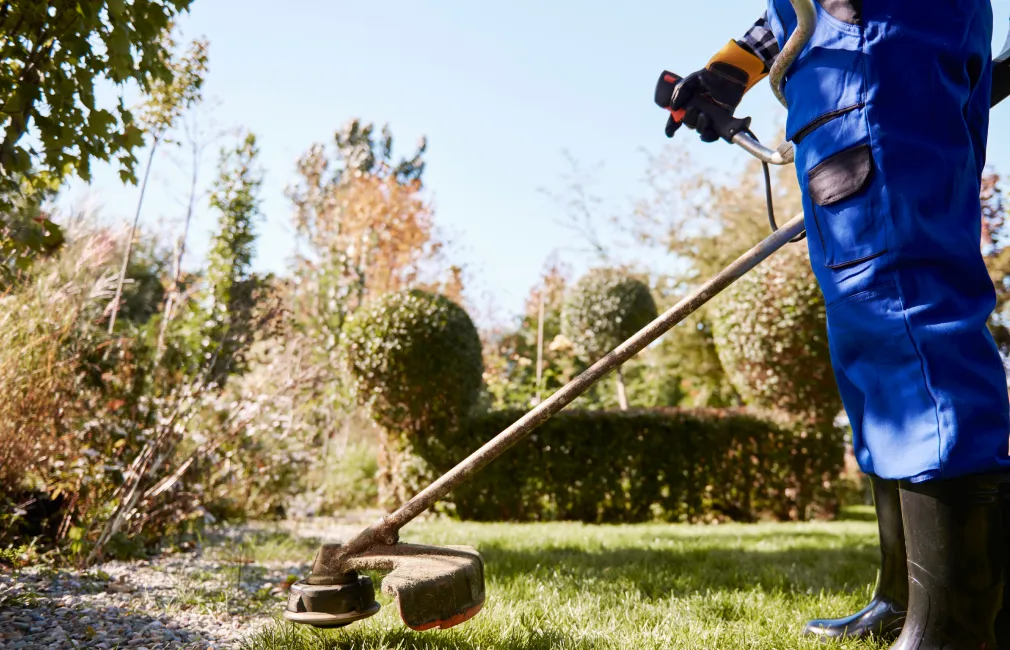
Choose our expert hedging services for a healthier, more beautiful yard—our skilled team ensures every hedge is trimmed to perfection, enhancing curb appeal and promoting robust plant growth all season long.
Get a Free QuoteOur Spring Landscaping & Yard Care Services
When to Schedule Hedging in Spring, Texas – Seasonal Guide
In Spring, Texas, the best time to schedule hedging is typically late winter through early spring, just before new growth begins. This timing allows shrubs and hedges to recover quickly and flourish as the weather warms. The local climate, characterized by mild winters and hot, humid summers, means that early trimming helps prevent stress on plants during peak heat. Neighborhoods like Gleannloch Farms and Windrose often see homeowners scheduling hedging services after the last frost date, which usually falls in late February or early March.
Local environmental factors play a significant role in determining the optimal hedging schedule. For example, areas near Pundt Park or along Cypress Creek may experience higher humidity and shade coverage, affecting plant growth rates. Soil types in Spring range from sandy loam to clay, influencing how well hedges respond to trimming. It's also important to consider drought risk during late summer and municipal guidelines, which can be found on the official township website, to ensure compliance with local landscaping ordinances.
Local Factors to Consider for Hedging in Spring
- Proximity to landmarks like Old Town Spring or Pundt Park
- Tree density and shade coverage in your yard
- Soil type (sandy, loamy, or clay)
- Average precipitation and drought risk
- Timing of the last frost and onset of new growth
- Municipal restrictions or neighborhood association guidelines
- Terrain and accessibility for equipment
Benefits of Hedging in Spring
Enhanced Curb Appeal
Promotes Healthy Growth
Natural Privacy Barriers
Pest and Disease Prevention
Customized Landscape Design
Increased Property Value
Spring Hedging Types

Boxwood Hedges
-
Privet Hedges
-
Yew Hedges
-
Laurel Hedges
-
Hornbeam Hedges
-
Beech Hedges
-
Photinia Hedges
Our Hedging Process
Consultation and Planning
Site Preparation
Precision Trimming
Cleanup and Inspection
Why Choose Spring Landscape Services
-
Spring Homeowners Trust Us
-
Expert Lawn Maintenance
-
Reliable Seasonal Cleanup
-
Competitive Pricing
-
Professional Team
-
Satisfaction Guarantee
-
Personalized Service
Hedging Practices for Spring’s Expansive Clay Soils and Drainage Patterns
Hedging in Spring, TX requires careful consideration of the region’s dominant soil types, particularly the Houston Black and Katy fine sandy loam series, as identified by the USDA Web Soil Survey. These soils are characterized by high clay content, moderate to poor drainage, and a tendency for compaction, especially in developed neighborhoods. For optimal hedge establishment, soil pH should be tested (typically 6.0-7.5 in Spring) and amended as needed:
- Lime application for pH below 6.0
- Compost incorporation: 2-3 inches tilled to 6-inch depth
- Soil testing available through Texas A&M AgriLife Extension Spacing for hedges should be 18-24 inches apart to ensure root development in dense soils. Proper drainage management, such as installing French drains or berms, is recommended in areas with seasonal water tables at 12-18 inches.
Texas A&M AgriLife Extension
17360 Coit Road, Dallas, TX 75252
Phone: (972) 952-9200
Official Website: Texas A&M AgriLife Extension
Municipal Coordination for Hedge Debris Collection and Disposal in Spring
Proper disposal of hedge trimmings and green waste in Spring is governed by municipal collection schedules and container requirements. Weekly yard waste pickup is typically scheduled for Thursdays, April through November. Residents must use biodegradable bags or reusable bins (32-gallon maximum) for curbside collection. The following materials are accepted:
- Leaves, grass clippings, brush under 4 feet in length
- Branches under 4 inches in diameter
- No plastic bags or oversized debris Improper disposal, such as placing clippings in storm drains, is prohibited under the city’s MS4 permit and the Clean Water Act. For large volumes, Spring residents may utilize the city’s designated green waste drop-off sites.
Houston Public Works Department
611 Walker Street, Houston, TX 77002
Phone: (832) 395-2500
Official Website: Houston Public Works Department
Environmental Compliance: Buffer Zones and Stormwater Protection for Spring Hedges
Hedging activities in Spring must comply with local and state environmental regulations to protect water quality and sensitive habitats. Properties adjacent to Spring Creek, Cypress Creek, or designated wetlands must maintain a 25-foot no-disturbance buffer from the edge of the water body. The Texas Water Code and the city’s MS4 permit prohibit the discharge of yard waste or chemicals into storm drains. Key compliance steps include:
- No fertilizer or pesticide application within 50 feet of water bodies
- Maintain vegetative buffers along drainage ditches
- Avoid debris accumulation in flood-prone areas Violations may result in fines or remediation orders. For guidance on buffer requirements and stormwater best practices, consult the city’s environmental board.
Houston Environmental Board
901 Bagby Street, Houston, TX 77002
Phone: (832) 393-0980
Official Website: Houston Environmental Board
Texas Commission on Environmental Quality
12100 Park 35 Circle, Austin, TX 78753
Phone: (512) 239-1000
Official Website: Texas Commission on Environmental Quality
Equipment Operation Hours and Safety Standards for Hedging in Spring
Spring enforces specific noise ordinances and safety protocols for hedge maintenance. Equipment operation is permitted during the following hours:
- Monday-Friday: 7:00 AM - 7:00 PM
- Saturday: 8:00 AM - 6:00 PM
- Sunday and holidays: Prohibited Operators must use commercial-grade trimmers with functioning mufflers, and noise levels should not exceed 85 decibels at property lines. Safety requirements include:
- Eye protection: ANSI Z87.1 safety glasses
- Hearing protection: Earmuffs or plugs for 85+ dB
- Footwear: Steel-toed boots
- Maintain 15-foot clearance from power lines All personnel working within 50 feet of public roads must wear high-visibility vests. For questions on compliance, contact the city’s code enforcement office.
Houston Planning and Development Department
611 Walker Street, Houston, TX 77002
Phone: (832) 393-6600
Official Website: Houston Planning and Development Department
Recommended Hedge Species and Planting Timing for Spring’s Climate Zone 9a
Spring, TX is located in USDA Hardiness Zone 9a, with average annual minimum temperatures of 20-25°F. For successful hedging, select species adapted to local climate and soil conditions. Recommended options include:
- Wax myrtle (Morella cerifera)
- Yaupon holly (Ilex vomitoria)
- Dwarf yaupon (Ilex vomitoria ‘Nana’)
- Texas sage (Leucophyllum frutescens)
- American beautyberry (Callicarpa americana) Plant hedges between October 15 and March 1 for optimal root establishment before summer heat. Space plants 18-24 inches apart for dense coverage. Mulch with 2-3 inches of organic material to conserve moisture and suppress weeds. For additional guidance, consult Texas A&M AgriLife Extension or the USDA Plant Hardiness Zone Map.
What Neighborhoods Do We Serve Throughout Spring, TX?
- Gleannloch Farms: Features newer developments with compacted clay soils and moderate drainage, requiring soil amendment and careful irrigation management for healthy hedges.
- Old Town Spring: Historic area with mature trees, smaller lots, and proximity to Spring Creek, necessitating compliance with buffer zone regulations and careful debris management.
- Windrose: Planned community with HOA landscaping standards, larger lots, and a mix of sun and shade exposures, influencing species selection and spacing.
- Northgate Crossing: Located near floodplains and drainage channels, this area faces seasonal water table fluctuations and requires attention to drainage and stormwater compliance.
- Bridgestone: Suburban neighborhood with heavy clay soils and moderate tree cover, presenting challenges for root development and requiring regular soil testing.
- Cypresswood: Features established landscaping, mature hedges, and proximity to Cypress Creek, making buffer compliance and maintenance timing critical.
- Spring Trails: Newer development with sandy loam soils and open exposures, allowing for a wider range of hedge species and easier equipment access.