
Spring Mulching Services
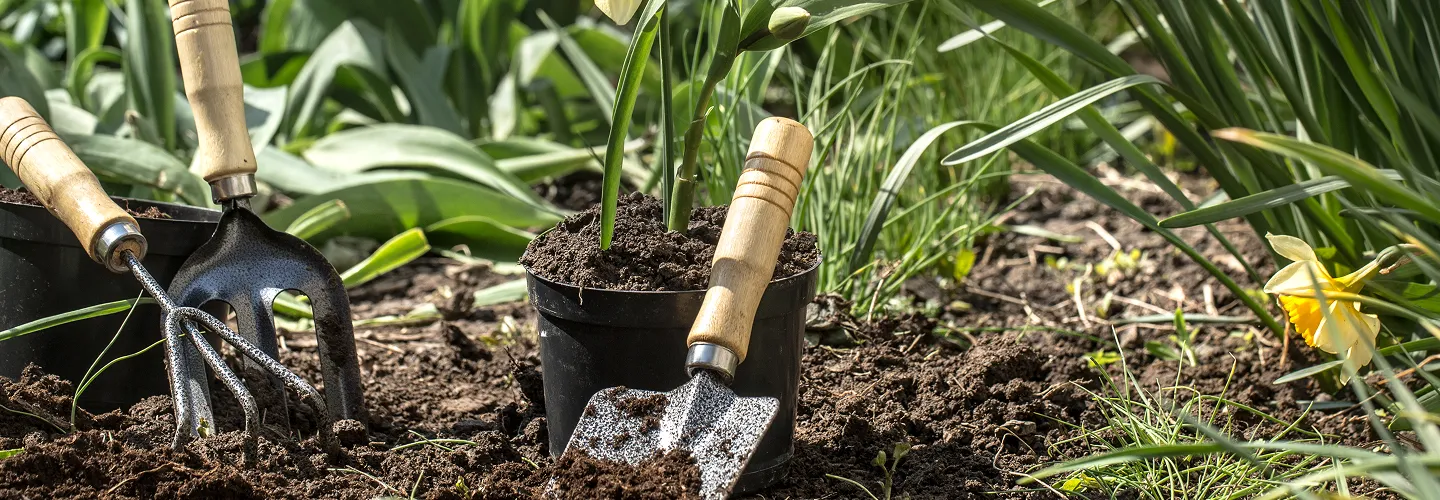
Choose our mulching services for a healthier, more vibrant yard—our expert team uses premium materials to lock in moisture, suppress weeds, and enhance your garden’s curb appeal all season long.
Get a Free QuoteOur Spring Landscaping & Yard Care Services
When to Schedule Mulching in Spring, Texas – Seasonal Guide
In Spring, Texas, the best time to schedule mulching is typically in late winter through early spring, just after the last frost date and before the intense summer heat arrives. This timing allows mulch to help retain soil moisture, suppress weeds, and protect plant roots as your landscape transitions into the growing season. Neighborhoods near Old Town Spring and along Cypresswood Drive often experience variable humidity and occasional late cold snaps, so monitoring local weather patterns is essential for optimal results.
Local environmental factors such as sandy soils, periods of drought risk, and the dense shade from mature oaks and pines in areas like Gleannloch Farms all play a role in determining the right mulching schedule. Homeowners should also consider municipal guidelines and seasonal recommendations provided by local resources like the Town of Sudbury when planning their landscape maintenance.
Local Factors to Consider for Mulching in Spring
- Tree density and shade coverage (especially in wooded neighborhoods)
- Soil type and drainage (sandy vs. clay soils)
- Average precipitation and drought risk
- Frost dates and seasonal temperature swings
- Terrain and slope of your property
- Municipal restrictions or community association guidelines
Benefits of Mulching in Spring
Enhanced Soil Moisture Retention
Weed Growth Suppression
Improved Soil Fertility
Temperature Regulation for Plant Roots
Reduced Soil Erosion
Boosted Curb Appeal
Spring Mulching Types

Organic Mulch
-
Inorganic Mulch
-
Wood Chips
-
Bark Mulch
-
Compost Mulch
-
Straw Mulch
-
Rubber Mulch
Our Mulching Process
Site Evaluation
Soil Preparation
Mulch Selection
Mulch Application
Final Inspection
Why Choose Spring Landscape Services
-
Spring Homeowners Trust Us
-
Expert Lawn Maintenance
-
Reliable Seasonal Cleanup
-
Competitive Pricing
-
Professional Team
-
Satisfaction Guarantee
-
Personalized Service
Mulching and Soil Management in Spring’s Predominant Katy and Bernard Clay Loams
Mulching practices in Spring, TX must account for the city’s dominant Katy and Bernard clay loam soils, as identified by the USDA Web Soil Survey. These soils are characterized by slow permeability, moderate to high clay content, and a pH typically ranging from 6.0 to 7.5. Proper mulch application—2 to 3 inches deep—helps regulate soil temperature, retain moisture, and reduce compaction, which is especially important for clay-rich soils prone to waterlogging. Soil testing is recommended every 2-3 years, with services available through Texas A&M AgriLife Extension. For optimal results:
- Use organic mulch (hardwood, pine bark, or composted leaves)
- Maintain a 2-3 inch layer, keeping mulch 3 inches from tree trunks
- Incorporate compost to improve drainage and structure
- Avoid exceeding 4 inches total depth to prevent root suffocation
Municipal Mulch Disposal and Collection Protocols in Spring
Spring residents must adhere to local yard waste collection protocols for mulch and organic debris. The city’s collection schedule typically operates weekly on Thursdays from April through November. Accepted materials include leaves, grass clippings, and brush under 4 feet in length, placed in biodegradable bags or reusable bins (32-gallon maximum). Prohibited items include plastic bags and branches over 4 inches in diameter. Mulch generated from municipal brush collection is often made available to residents for reuse. For questions regarding collection schedules or disposal requirements:
Houston Public Works Department
611 Walker Street, Spring, TX 77373
Phone: (832) 395-2500
Official Website: Houston Public Works Department
Residents are encouraged to review the city’s yard waste guidelines for updates on accepted materials and seasonal changes.
Environmental Compliance: Mulching Near Spring’s Wetlands and Stormwater Systems
Mulching activities in Spring must comply with local and state environmental regulations to protect sensitive areas such as Cypress Creek, Spring Creek, and adjacent wetlands. The Texas Water Code and Clean Water Act require a minimum 25-foot no-disturbance buffer from wetlands and prohibit mulch or organic debris from entering storm drains. The city’s MS4 permit, administered by the Texas Commission on Environmental Quality, mandates:
- No mulch or yard waste in stormwater inlets
- 25-foot buffer from wetlands and water bodies
- Use of erosion control barriers on slopes exceeding 5%
- Immediate cleanup of spilled mulch near drainageways
Houston Environmental Board
901 Bagby Street, Spring, TX 77373
Phone: (832) 393-0900
Official Website: Houston Environmental Board
Violations may result in fines or remediation orders under the city’s stormwater ordinance.
Seasonal Timing and Weather Considerations for Mulching in Spring’s Humid Subtropical Climate
Spring, TX is located in USDA Hardiness Zone 9a, with average annual minimum temperatures of 20-25°F and a humid subtropical climate. Optimal mulching windows are late February through early April and again in October, avoiding the peak summer heat and heavy rainfall periods. The National Weather Service Houston/Galveston Office provides local forecasts to guide timing. Key timing recommendations include:
- Apply mulch before soil temperatures exceed 75°F (typically by early April)
- Replenish mulch in October to prepare for winter moisture retention
- Avoid mulching during forecasted heavy rain to prevent runoff
- Monitor for fungal growth during prolonged wet periods
Equipment Operation and Safety Standards for Mulching Services in Spring
All mulching operations in Spring must comply with municipal noise ordinances and equipment safety standards. Permitted hours for powered equipment are:
- Monday-Friday: 7:00 AM - 7:00 PM
- Saturday: 8:00 AM - 6:00 PM
- Sunday and holidays: Prohibited Operators must use commercial-grade chippers and shredders equipped with functional mufflers, and all personnel are required to wear:
- ANSI Z87.1 safety glasses
- Hearing protection for noise above 85 dB
- Steel-toed boots and cut-resistant gloves Maintain a 15-foot clearance from overhead utilities and public sidewalks. For questions on equipment standards or enforcement:
Houston Code Enforcement
601 Sawyer Street, Spring, TX 77373
Phone: (832) 394-0600
Official Website: Houston Public Works Department
What Neighborhoods Do We Serve Throughout Spring, TX?
- Gleannloch Farms: Features newer developments with compacted clay soils and extensive HOA landscaping requirements, necessitating careful mulch selection and application.
- Old Town Spring: Historic district with mature trees, narrow streets, and proximity to Spring Creek, requiring strict adherence to wetland buffer regulations and careful debris management.
- Northgate Forest: Large lots with heavy tree coverage and variable drainage, often needing erosion control measures and regular mulch replenishment.
- Windrose: Planned community with mixed soil types and active HOA oversight, emphasizing uniform mulch appearance and compliance with community standards.
- Spring Trails: Located near protected greenbelts and floodplains, requiring special attention to runoff prevention and buffer zone maintenance.
- Bridgestone: Older subdivision with established landscaping and moderate slope conditions, where mulch helps control soil erosion and maintain plant health.
- Cypresswood: Features both wooded and open areas, with periodic flooding concerns that influence mulch type and placement for effective stormwater management.