
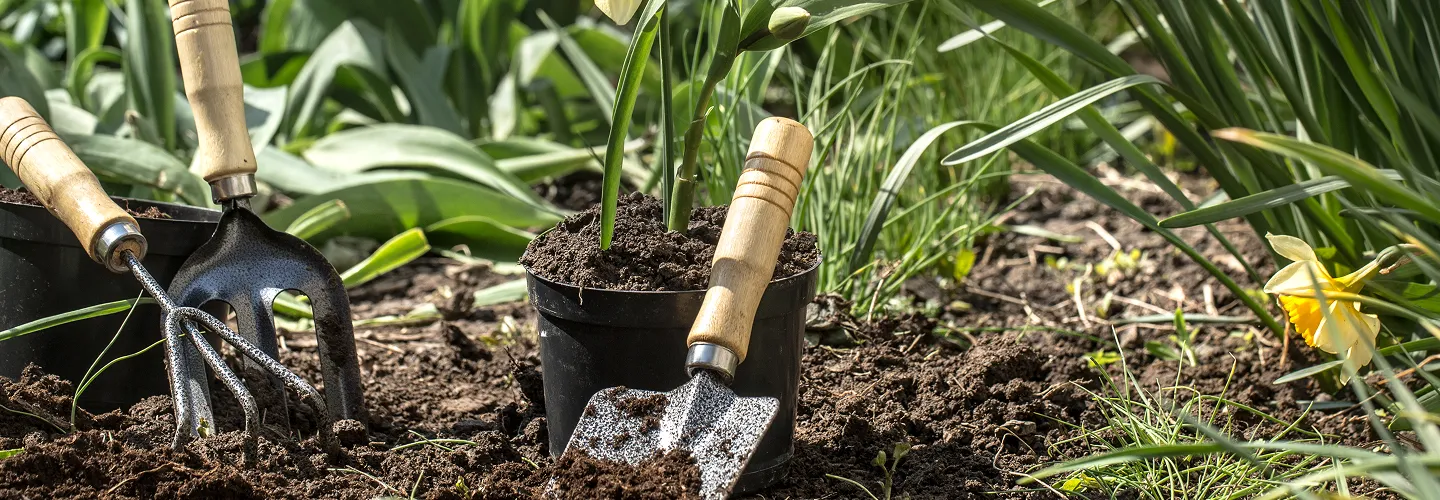
Spring Weeding Services
Choose our expert weeding services for a healthier, more vibrant lawn—our team removes unwanted growth efficiently, ensuring your garden thrives all season long.
Get a Free QuoteOur Spring Landscaping & Yard Care Services
When to Schedule Weeding in Spring, Texas – Seasonal Guide
In Spring, Texas, the best time to schedule weeding is typically from late February through early May, just after the last frost and before the intense summer heat sets in. The region’s climate—characterized by mild winters, humid springs, and occasional heavy rainfall—means weeds can emerge early and thrive quickly, especially in neighborhoods like Gleannloch Farms and near Old Town Spring. Monitoring local frost dates is crucial, as starting too early can risk damaging desirable plants, while waiting too long allows weeds to establish deep roots.
Local environmental factors such as soil type, shade from mature oaks and pines, and the risk of drought during late spring all play a role in determining the optimal weeding schedule. Areas with dense tree coverage, like those near Spring Creek Greenway, may require more frequent attention due to increased shade and moisture retention. For more information on local climate patterns and gardening resources, visit the official Spring, TX community site.
Local Factors to Consider for Weeding in Spring
- Tree density and shade coverage
- Soil composition (sandy vs. clay-heavy)
- Recent precipitation and humidity levels
- Proximity to creeks or flood-prone areas
- Municipal restrictions on herbicide use
- Neighborhood-specific landscaping trends
- Terrain slope and drainage patterns
Benefits of Weeding in Spring
Promotes Healthy Plant Growth
Prevents Weed Spread
Enhances Curb Appeal
Improves Soil Quality
Reduces Pest Infestations
Saves Time and Effort Later
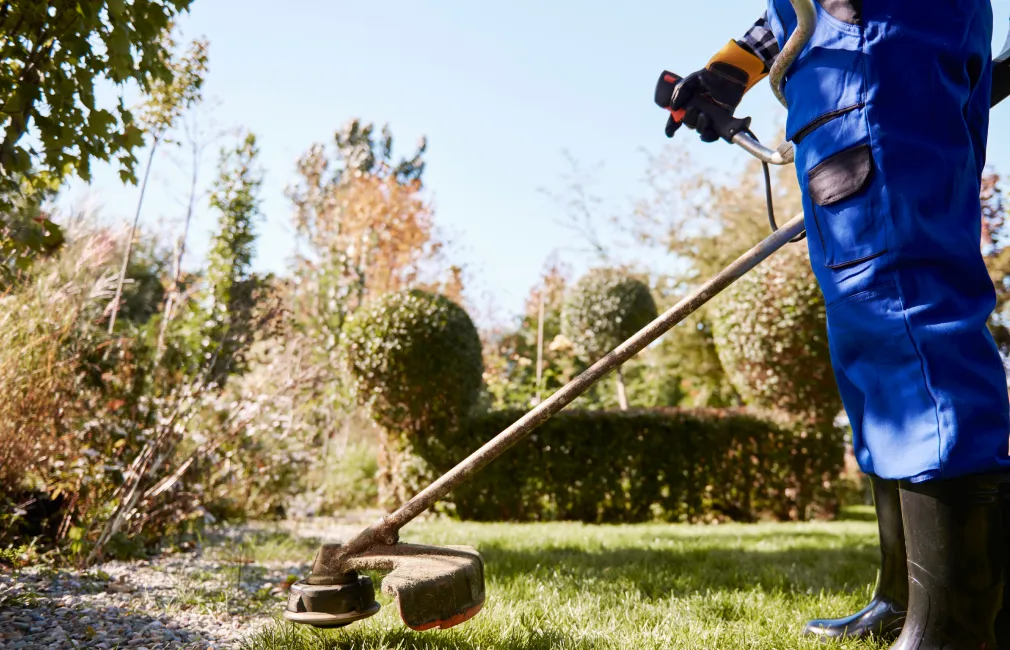
Spring Weeding Types

Hand Weeding
-
Hoeing
-
Mulching
-
Flame Weeding
-
Herbicide Application
-
Soil Solarization
-
Mechanical Weeding
Our Weeding Process
Site Evaluation
Weed Identification
Targeted Removal
Soil Treatment
Final Inspection
Why Choose Spring Landscape Services
-
Spring Homeowners Trust Us
-
Expert Lawn Maintenance
-
Reliable Seasonal Cleanup
-
Competitive Pricing
-
Professional Team
-
Satisfaction Guarantee
-
Personalized Service
Soil Series and Drainage Considerations for Weeding in Spring’s Blackland Prairie
Weeding practices in Spring, TX must account for the region’s predominant Houston Black clay soils, as identified by the USDA Web Soil Survey. These Vertisols are characterized by high clay content, poor drainage, and a tendency to compact, which can impede root development and favor aggressive weed species. Soil pH typically ranges from 7.5 to 8.2, requiring careful selection of soil amendments. For effective weed removal, mechanical extraction is recommended to a depth of 3-4 inches to disrupt root systems in compacted areas. Soil testing through Texas A&M AgriLife Extension is advised (typical cost: $15-25) to determine amendment needs. Recommended amendments include:
- Compost: 2-3 inches tilled to 6-inch depth
- Gypsum: 40-50 lbs per 1,000 sq ft for clay structure improvement
- Lime: Only if pH is below 6.5 (rare in Spring)
Municipal Yard Waste Collection and Weeding Debris Disposal in Spring
Proper disposal of weeding debris in Spring is governed by municipal waste management protocols. Residents must use biodegradable bags or 32-gallon reusable containers for green waste, with weekly curbside collection typically scheduled on Thursdays from April through November. Prohibited items include plastic bags and branches over 4 inches in diameter. All debris must be placed at the curb by 7:00 AM on collection day. For large volumes, the city transfer station accepts yard waste during posted hours. Compliance with these procedures prevents stormwater violations under the Clean Water Act and the city’s MS4 permit. For detailed collection schedules and accepted materials:
- Weekly pickup: Thursday, April–November
- Accepted: Leaves, weeds, brush under 4 feet
- Prohibited: Plastic bags, oversized branches
Houston Public Works Department
611 Walker Street, Houston, TX 77002
Phone: (832) 395-2500
Official Website: Houston Public Works Department
Environmental Compliance: Buffer Zones and Stormwater Protection in Spring
Weeding activities in Spring must adhere to environmental regulations designed to protect local water bodies such as Cypress Creek and Spring Creek. The Texas Commission on Environmental Quality (TCEQ) enforces buffer requirements, including a standard 25-foot no-disturbance zone from wetlands and riparian areas. The city’s MS4 permit prohibits the disposal of plant debris or soil in storm drains. Application of herbicides is restricted within 50 feet of water bodies, and only products registered with the EPA may be used. Key compliance steps include:
- Maintain 25-foot buffer from wetlands and streams
- Prohibit debris in storm drains
- Use only EPA-registered herbicides
- Avoid fertilizer/herbicide application within 50 feet of water
Houston Environmental Board
901 Bagby Street, Houston, TX 77002
Phone: (832) 393-0980
Official Website: Houston Environmental Board
Seasonal Timing and Weather Considerations for Weeding in Spring, TX
Spring’s climate, classified as USDA Hardiness Zone 9a, features mild winters and hot, humid summers. Optimal weeding windows are from March 1 to May 15 and again from September 15 to November 1, when soil temperatures range from 60°F to 75°F and weed growth is most active. Avoid weeding during peak summer (June–August) due to heat stress and rapid regrowth. Monitor local weather forecasts through the National Weather Service Houston/Galveston Office to schedule work after rainfall, when soils are moist and root removal is most effective. Recommended timing:
- Spring: March 1 – May 15
- Fall: September 15 – November 1
- Avoid: June–August (heat, drought stress)
Safety Protocols and Equipment Standards for Weeding Operations in Spring
All weeding operations in Spring must comply with municipal noise ordinances and safety standards. Equipment operation is permitted:
- Monday–Friday: 7:00 AM – 7:00 PM
- Saturday: 8:00 AM – 6:00 PM
- Sunday and holidays: Prohibited
Operators must use commercial-grade tools and maintain noise levels below 85 decibels at property lines. Required personal protective equipment (PPE) includes:
- Eye protection: ANSI Z87.1 safety glasses
- Hearing protection: Earmuffs or plugs for 85+ dB
- Gloves: Cut-resistant for hand weeding, chemical-resistant for herbicide application
- Footwear: Steel-toed, non-slip boots
Houston Code Enforcement
601 Sawyer Street, Houston, TX 77007
Phone: (832) 394-0600
Official Website: Houston Public Works Department
What Neighborhoods Do We Serve Throughout Spring, TX?
- Gleannloch Farms: Features expansive lots with mature landscaping and heavy clay soils, requiring deep mechanical weeding and careful debris management due to HOA guidelines.
- Windrose: Known for its proximity to wetlands and golf course areas, necessitating strict buffer compliance and attention to stormwater runoff during weeding.
- Spring Trails: Newer development with compacted fill soils and smaller lot sizes, presenting challenges for root removal and equipment access.
- Northgate Crossing: Located near Spring Creek, this area has periodic flooding and poorly drained soils, making timing and debris containment critical.
- Bridgestone: Dense residential area with narrow streets and overhead utilities, requiring careful scheduling and adherence to noise ordinances for equipment use.
- Imperial Oaks: Contains a mix of older and new homes, with variable soil conditions and frequent HOA restrictions on yard waste placement and collection.
- Cypresswood: Characterized by mature tree cover and proximity to conservation areas, demanding extra caution for buffer zones and protected habitat compliance.