
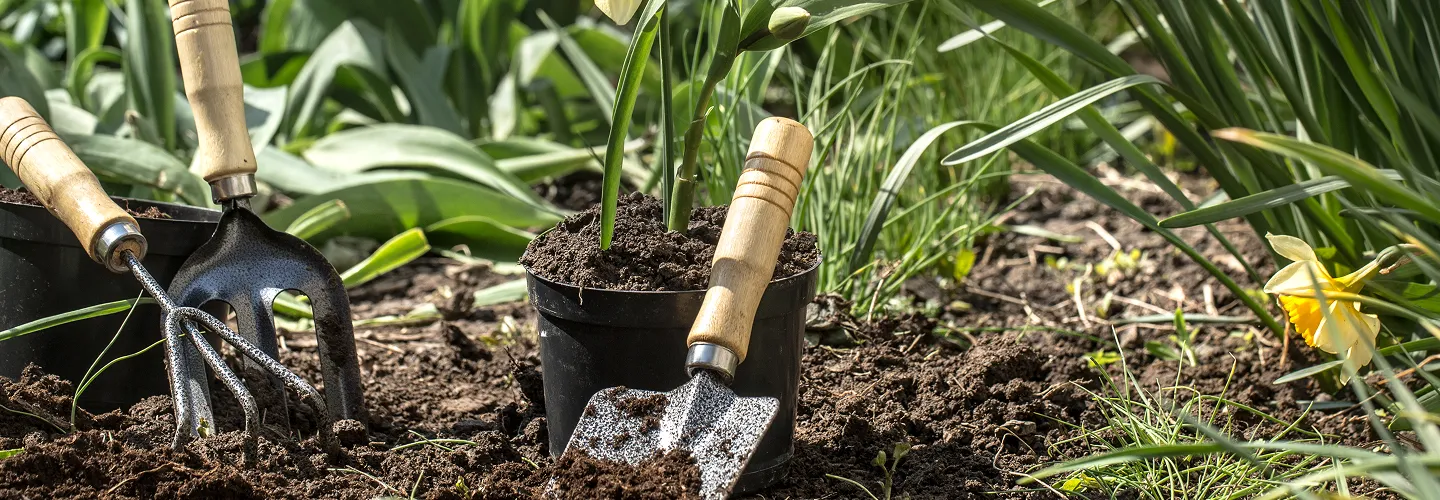
Spring Lawn Seeding Services
Choose our expert lawn seeding services for a lush, resilient yard—our proven methods ensure even growth, improved soil health, and a vibrant lawn that stands out all year long.
Get a Free QuoteOur Spring Landscaping & Yard Care Services
When to Schedule Lawn Seeding in Spring, Texas – Seasonal Guide
In Spring, Texas, timing your lawn seeding is crucial for achieving a lush, healthy yard that thrives throughout the year. The best window for seeding typically falls between late March and early May, after the last frost has passed but before the intense summer heat sets in. Spring’s climate is characterized by mild temperatures, moderate rainfall, and occasional humidity spikes, all of which play a significant role in seed germination and establishment. Neighborhoods like Gleannloch Farms and Windrose often experience microclimates due to varying tree coverage and proximity to water features, so it’s important to consider your specific location.
Local environmental factors such as soil composition—ranging from sandy loam to clay—can impact how well seeds take root. Areas near Spring Creek or Old Town Spring may have higher moisture retention, while properties closer to Rayford Road might face more sun exposure and potential drought risk. Monitoring local frost dates and keeping an eye on municipal watering guidelines, which can be found on the official town website, will help you plan your seeding for optimal results.
Local Factors to Consider for Lawn Seeding in Spring
- Tree density and shade coverage (e.g., mature oaks in Memorial Northwest)
- Soil type and drainage (sandy vs. clay-heavy soils)
- Recent precipitation patterns and drought risk
- Terrain slope and potential for runoff
- Municipal watering restrictions and seasonal guidelines
- Proximity to creeks or flood-prone areas
- Neighborhood-specific microclimates
Benefits of Lawn Seeding in Spring
Thicker, Healthier Lawns
Improved Weed Resistance
Enhanced Curb Appeal
Customized Seed Selection
Professional Expertise
Long-Term Cost Savings

Spring Lawn Seeding Types

Kentucky Bluegrass
-
Perennial Ryegrass
-
Tall Fescue
-
Fine Fescue
-
Bermuda Grass
-
Zoysia Grass
-
Buffalo Grass
Our Lawn Seeding Process
Site Evaluation
Soil Preparation
Seed Selection
Seeding Application
Watering and Maintenance
Why Choose Spring Landscape Services
-
Spring Homeowners Trust Us
-
Expert Lawn Maintenance
-
Reliable Seasonal Cleanup
-
Competitive Pricing
-
Professional Team
-
Satisfaction Guarantee
-
Personalized Service
Soil Series and Drainage Considerations for Lawn Seeding in Spring, TX
Spring, TX is characterized by soils such as the Katy fine sandy loam and the Houston Black clay, both of which present unique challenges for lawn seeding. The Katy series is moderately well-drained with a pH typically ranging from 6.0 to 7.5, while Houston Black clay is known for its high shrink-swell capacity and poor drainage. For optimal seed establishment, it is recommended to incorporate 2-3 inches of compost tilled to a 6-inch depth and to conduct a soil test through the Texas A&M AgriLife Extension (typical cost: $15-25). Soil amendments may include lime for pH below 6.0 or sulfur for pH above 7.5. Avoid seeding in areas with standing water or compacted subsoil. Research local soil characteristics using the USDA Web Soil Survey.
Houston Public Works Department
611 Walker Street, Houston, TX 77002
Phone: (832) 395-2500
Official Website: Houston Public Works Department
Optimal Lawn Seeding Timing and Climate Zone Guidance for Spring
Spring, TX falls within USDA Hardiness Zone 9a, with average annual minimum temperatures of 20-25°F. The ideal window for cool-season grass seeding is from October 1 to November 15, when soil temperatures are between 60-75°F. Warm-season grasses such as bermudagrass and zoysiagrass should be seeded from April 15 to June 1, once soil temperatures consistently exceed 65°F. Avoid seeding during the peak summer months (June-August) due to heat stress and increased evaporation. Monitor local weather patterns using the National Weather Service Houston/Galveston Office. For monthly soil temperature data and planting recommendations, consult the Texas A&M AgriLife Extension.
- Spring seeding: April 15 - June 1 (warm-season)
- Fall seeding: October 1 - November 15 (cool-season)
- Avoid: June-August (heat stress)
Municipal Coordination and Lawn Seeding Ordinances in Spring
Lawn seeding activities in Spring must comply with local ordinances regarding equipment operation and stormwater protection. Equipment such as slit seeders and aerators may be operated:
- Monday-Friday: 7:00 AM - 7:00 PM
- Saturday: 8:00 AM - 6:00 PM
- Sunday and holidays: Prohibited All grass clippings and soil debris must be collected and disposed of according to municipal guidelines. Yard waste collection is typically scheduled for Thursdays, April through November, using biodegradable bags or 32-gallon containers. Depositing soil or seed into storm drains is prohibited under the Clean Water Act and the city’s MS4 permit. For questions on compliance, contact:
Houston Public Works Department
611 Walker Street, Houston, TX 77002
Phone: (832) 395-2500
Official Website: Houston Public Works Department
Environmental Compliance: Stormwater and Buffer Zone Requirements in Spring
Lawn seeding near Spring’s creeks, wetlands, and protected areas must adhere to buffer zone regulations. Maintain a minimum 25-foot no-disturbance buffer from wetlands and a 50-foot setback from the edge of any perennial stream. The Texas Commission on Environmental Quality (TCEQ) enforces MS4 stormwater requirements, prohibiting the discharge of sediment, fertilizer, or seed into storm drains. Fertilizer application is restricted within 50 feet of water bodies. For properties adjacent to Spring Creek or Cypress Creek, additional conservation measures may apply. Review the Texas Water Code for state-level requirements and coordinate with the EPA Region 6 for federal compliance.
Texas Commission on Environmental Quality
12100 Park 35 Circle, Austin, TX 78753
Phone: (512) 239-1000
Official Website: Texas Commission on Environmental Quality
Professional Standards and Safety Protocols for Lawn Seeding in Spring
All lawn seeding operations in Spring must follow professional safety and equipment standards. Operators are required to use commercial-grade slit seeders and core aerators, with blades sharpened every 20-25 hours of use. Personal protective equipment (PPE) must include:
- Eye protection: ANSI Z87.1 safety glasses
- Hearing protection: Earmuffs or plugs for 85+ dB noise
- Footwear: Steel-toed boots with non-slip soles
- Gloves: Cut-resistant for handling seed and equipment Maintain a 15-foot clearance from overhead utilities and avoid seeding within 10 feet of fire hydrants or utility boxes. For large-scale projects, traffic control measures may be required. The Houston Public Works Department provides guidance on equipment standards and right-of-way safety.
What Neighborhoods Do We Serve Throughout Spring, TX?
- Gleannloch Farms: Features newer developments with well-drained sandy loam soils, but irrigation management is critical due to rapid drainage and occasional drought stress.
- Northgate Crossing: Characterized by compacted clay soils and moderate tree cover, requiring soil amendment and aeration prior to seeding for optimal turf establishment.
- Spring Trails: Proximity to Spring Creek and conservation areas necessitates strict adherence to buffer zone regulations and stormwater controls during seeding.
- Memorial Northwest: Large lots with mature landscaping and variable soil pH; soil testing is recommended to determine amendment needs before seeding.
- Cypresswood: Older neighborhood with heavy clay soils and periodic flooding; drainage improvements and raised seeding beds may be necessary.
- Bridgestone: Dense residential area with limited equipment access and HOA landscaping standards that may affect seeding schedules and species selection.
- Windrose: Golf course community with mixed soil types and high irrigation demand, requiring careful species selection and water management for successful lawn seeding.