
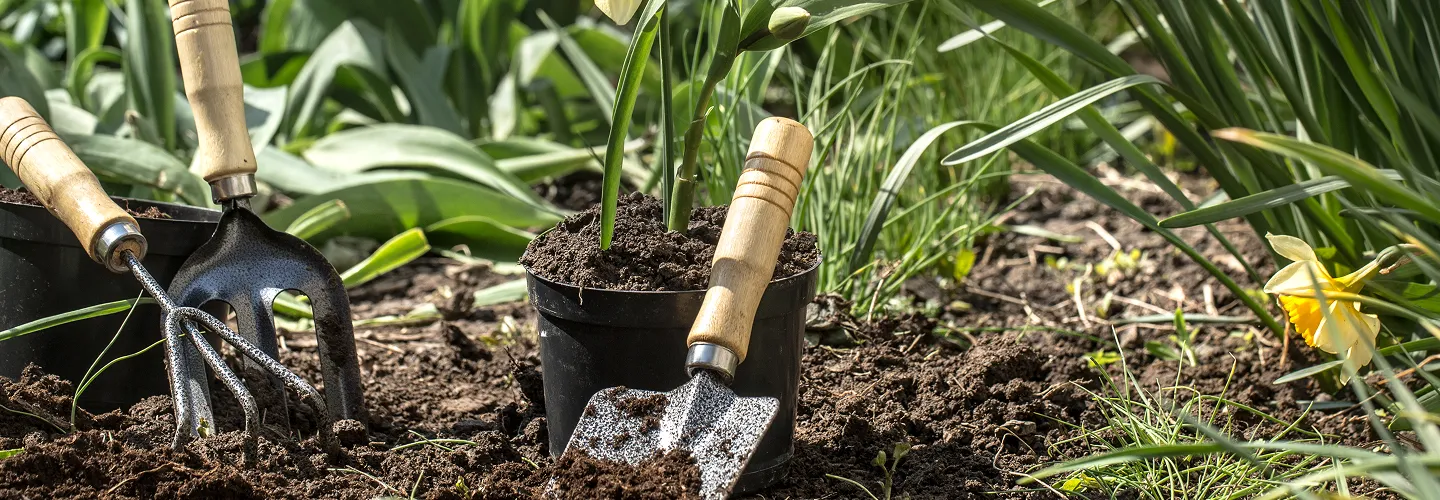
Spring Plant Removal Services
Choose our Plant Removal service for a hassle-free, eco-friendly way to refresh your landscape—our experienced team ensures safe, thorough removal so your garden is ready for new growth this season.
Get a Free QuoteOur Spring Landscaping & Yard Care Services
When to Schedule Plant Removal in Spring, Texas – Seasonal Guide
In Spring, Texas, the best time for plant removal is typically late winter through early spring, before new growth begins and while the ground is still workable. This timing helps minimize stress on your landscape and ensures that roots and stumps can be removed more efficiently, especially in neighborhoods like Gleannloch Farms or near Old Town Spring, where mature trees and dense shrubbery are common. The region’s climate—marked by mild winters, high humidity, and the risk of late frosts—means that waiting until after the last expected frost date is crucial to avoid damaging surrounding plants or compacting wet soil.
Local environmental factors such as clay-heavy soils, frequent rainfall in early spring, and the potential for drought later in the season all play a role in scheduling plant removal. Areas with heavy shade coverage, like those near Pundt Park, may require special attention to soil moisture and root systems. Additionally, municipal guidelines and local resources can provide up-to-date information on restrictions or best practices for plant removal in your area.
Local Factors to Consider for Plant Removal in Spring
- Tree and shrub density in your yard
- Soil type (clay, sand, or loam) and drainage
- Recent and forecasted precipitation
- Proximity to landmarks or protected green spaces
- Municipal restrictions or permit requirements
- Risk of late frost or early drought conditions
- Terrain slope and accessibility for equipment
Benefits of Plant Removal in Spring
Enhanced Curb Appeal
Healthier Garden Growth
Prevention of Pest Infestations
Improved Lawn Safety
Efficient Use of Outdoor Space
Professional and Timely Service
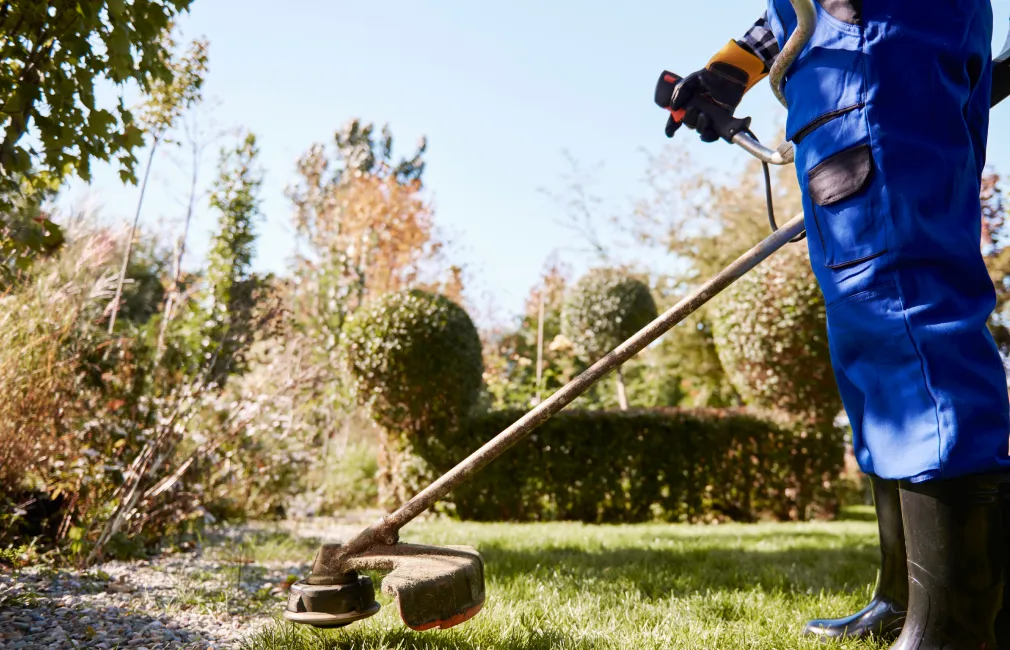
Spring Plant Removal Types

Annual Flower Removal
-
Shrub and Bush Clearing
-
Weed Extraction
-
Tree Sapling Removal
-
Groundcover Thinning
-
Perennial Cutback
-
Invasive Species Removal
Our Plant Removal Process
Site Evaluation
Preparation and Safety Measures
Plant Extraction
Debris Removal
Site Restoration
Why Choose Spring Landscape Services
-
Spring Homeowners Trust Us
-
Expert Lawn Maintenance
-
Reliable Seasonal Cleanup
-
Competitive Pricing
-
Professional Team
-
Satisfaction Guarantee
-
Personalized Service
Plant Removal and Debris Disposal Coordination in Spring, TX
Plant removal in Spring, TX is governed by municipal ordinances and coordinated through local waste management programs. All plant debris, including brush, limbs, and stumps, must be prepared for collection according to city guidelines. Weekly yard waste pickup is typically scheduled for Thursdays from April through November. Accepted materials include leaves, grass clippings, and branches under 4 feet in length, placed in biodegradable bags or reusable bins (32-gallon maximum). Plastic bags and branches over 4 inches in diameter are prohibited. For large-scale plant removal or projects near public rights-of-way, a permit may be required, with review times averaging 5-10 business days and fees ranging from $25 to $75. Residents must ensure compliance with city noise ordinances, which restrict equipment operation to:
- Monday-Friday: 7:00 AM - 7:00 PM
- Saturday: 8:00 AM - 6:00 PM
- Sunday and holidays: Prohibited
Houston Public Works Department
611 Walker Street, Houston, TX 77002
Phone: (832) 395-2500
Official Website: Houston Public Works Department
Soil Series and Site Conditions Affecting Plant Removal in Spring
Spring’s landscape is dominated by Houston Black clay and Katy fine sandy loam, as identified by the USDA Web Soil Survey. Houston Black clay is expansive, with poor drainage and a pH typically ranging from 7.5 to 8.2, while Katy fine sandy loam offers better drainage but can be prone to compaction in developed areas. Removal of deep-rooted plants in these soils often requires mechanical extraction to a depth of 18-24 inches to prevent regrowth. Soil compaction is common in newer subdivisions, necessitating aeration or tilling after removal. For sites near drainage ditches or flood-prone areas, maintain a 25-foot buffer from water bodies to comply with local and federal Clean Water Act requirements. Soil testing is recommended prior to replanting, with services available through Texas A&M AgriLife Extension.
Environmental Compliance and Stormwater Protection in Spring Plant Removal
Plant removal activities in Spring must adhere to stormwater management protocols under the Texas Water Code and the city’s MS4 permit, which prohibits the discharge of plant debris into storm drains. Maintain a 25-foot no-disturbance buffer from wetlands and a 50-foot setback from major creeks such as Cypress Creek and Spring Creek. All debris must be contained to prevent runoff during rain events, and silt fencing is required for projects disturbing more than 5,000 square feet. The Texas Commission on Environmental Quality oversees state-level compliance, while the EPA Region 6 office provides federal oversight. For guidance on buffer zones and protected areas, consult the city’s environmental board.
Houston Environmental Board
901 Bagby Street, Houston, TX 77002
Phone: (832) 393-3000
Official Website: Houston Environmental Board
Texas Commission on Environmental Quality
12100 Park 35 Circle, Austin, TX 78753
Phone: (512) 239-1000
Official Website: Texas Commission on Environmental Quality
Safety Protocols and Equipment Standards for Plant Removal in Spring
All plant removal operations in Spring must comply with municipal safety standards and equipment regulations. Operators are required to use commercial-grade equipment with functioning mufflers, and noise levels must not exceed 85 decibels at property lines. Personal protective equipment (PPE) is mandatory, including:
- Eye protection: ANSI Z87.1 safety glasses
- Hearing protection: Earmuffs or plugs for 85+ dB
- Footwear: Steel-toed boots with non-slip soles
- Gloves: Cut-resistant for pruning, chemical-resistant for herbicide use Maintain a 15-foot clearance from overhead utilities and a 10-foot buffer from public sidewalks. All personnel working within 50 feet of public roads must wear high-visibility vests. For projects involving chemical herbicides, applicators must be licensed by the state and follow label restrictions. The Houston Public Works Department provides additional safety guidance for work near municipal infrastructure.
What Neighborhoods Do We Serve Throughout Spring, TX?
- Gleannloch Farms: Features mature landscaping and heavy clay soils, requiring deep root extraction and careful debris management due to proximity to golf course water features.
- Windrose: Known for expansive lots and mixed soil types, with frequent drainage challenges and HOA guidelines affecting removal methods and debris placement.
- Bridgestone: Characterized by compacted soils and dense tree coverage, necessitating mechanical removal and strict adherence to city noise ordinances due to residential density.
- Northgate Forest: Contains large wooded lots adjacent to protected wetlands, requiring compliance with buffer regulations and careful containment of plant debris.
- Spring Trails: Located near Spring Creek, with sandy loam soils and periodic flooding, making erosion control and stormwater compliance critical during removal activities.
- Memorial Northwest: Features older properties with established trees and limited equipment access, often requiring manual removal and coordination with city collection schedules.
- Cypresswood: Includes a mix of new and established homes, with variable soil compaction and HOA restrictions on timing and debris storage.